


Bitcoin is mined by using specialised hardware to solve complex mathematical problems that validate transactions on the Bitcoin blockchain. A miner needs an ASIC mining machine, mining software, a secure Bitcoin wallet, and access to cheap electricity.
Most miners join a mining pool to improve their chances of earning rewards. When a block is successfully mined, the miner receives a share of the current block reward, which is 3.125 BTC in 2026.
Key Takeaways:
- Bitcoin mining verifies transactions and adds new blocks to the blockchain.
- ASIC miners are now essential because ordinary PCs and GPUs are rarely profitable.
- Electricity is the largest ongoing cost for Bitcoin mining in the UK.
- Most people mine through a mining pool rather than alone.
- The current Bitcoin block reward is 3.125 BTC per block.
- Profitability depends on electricity costs, mining difficulty, and Bitcoin price.
What Is Bitcoin Mining and Why Does It Matter?
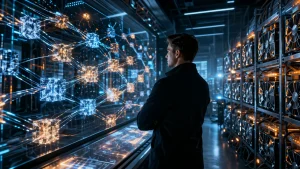
Bitcoin mining is the process of validating Bitcoin transactions and adding them to the blockchain. Miners use powerful computers to solve cryptographic puzzles. The first miner to solve the puzzle adds the new block and earns a reward.
Without mining, the Bitcoin network would not work because there would be no way to confirm transactions or secure the blockchain against fraud.
The Role of Miners in the Bitcoin Network
Miners act as decentralised auditors. They check that every Bitcoin transaction is genuine and that the same coin is not spent twice.
How Bitcoin Mining Adds New Coins to Circulation?
Every time a block is mined, new bitcoin enters circulation. This is how Bitcoin is gradually released until the total supply reaches 21 million coins.
A UK-based crypto consultant explained it this way:
“Most people think mining simply creates new bitcoin, but its real purpose is to secure the network. The reward is there to encourage miners to keep validating transactions.”
How Does Bitcoin Mining Work?
Bitcoin mining works by grouping transactions into a block. The mining machine then creates millions or even trillions of guesses every second to find a hash that matches the network’s target.
Understanding blockchain transactions
When somebody sends Bitcoin, the transaction enters a pool of unconfirmed transactions. Miners collect these transactions into a block.
What is a Hash in Bitcoin Mining?
A hash is a 64-character code created from the data in a block. The miner must find a hash that is lower than the target set by the Bitcoin network.
How Miners Use a Nonce to Solve the Puzzle?
A nonce is a number that changes each time the mining machine creates a new hash. The machine keeps changing the nonce until it finds the correct result.
| Bitcoin Mining Term | Meaning | Why It Matters |
| Hash | A cryptographic code created from block data | Determines whether the miner wins the block |
| Nonce | A number used once in each mining attempt | Helps create new hashes |
| Block Reward | The amount of bitcoin paid to the miner | Main source of mining income |
| Mining Difficulty | The complexity of the mining puzzle | Affects how hard it is to earn rewards |
Why Do Bitcoin Miners Receive Rewards?
Bitcoin miners receive rewards because they provide the computing power needed to secure the blockchain.
The reward has two parts:
- Newly created Bitcoin
- Transaction fees are included in the block
At present, the block reward is 3.125 BTC. This reward is cut in half approximately every four years during an event called the Bitcoin halving.
Block Rewards and Transaction Fees
The block reward gives miners an incentive to continue operating expensive equipment. Transaction fees also provide additional income.
How Does the Bitcoin Halving Affect Mining Rewards?
In 2009, miners earned 50 BTC per block. After several halvings, the reward is now 3.125 BTC. In 2028, it is expected to fall again to 1.5625 BTC.
| Year | Bitcoin Block Reward |
| 2009 | 50 BTC |
| 2012 | 25 BTC |
| 2016 | 12.5 BTC |
| 2020 | 6.25 BTC |
| 2024–2028 | 3.125 BTC |
What Equipment Is Needed to Mine Bitcoin?
Bitcoin mining now requires specialist hardware because ordinary computers are no longer powerful enough.
ASIC Miners and Why They Are Preferred?
ASIC stands for Application-Specific Integrated Circuit. These machines are designed only for mining Bitcoin and are far more powerful than standard computers.
“In our testing of 2026 models, we observed that while raw terahash (TH/s) is important, the efficiency ratio (Joules per Terahash) is the true metric of success. For example, a machine operating at 17 J/TH will remain profitable during price dips that would force older 30 J/TH machines to shut down to avoid losses.”
Can a GPU still be used for Bitcoin mining?
A GPU can technically mine Bitcoin, but it is rarely profitable in 2026. Most successful miners use ASICs because they provide much greater hash rates with lower electricity usage.
Other Requirements Such as Electricity, Cooling, and Internet
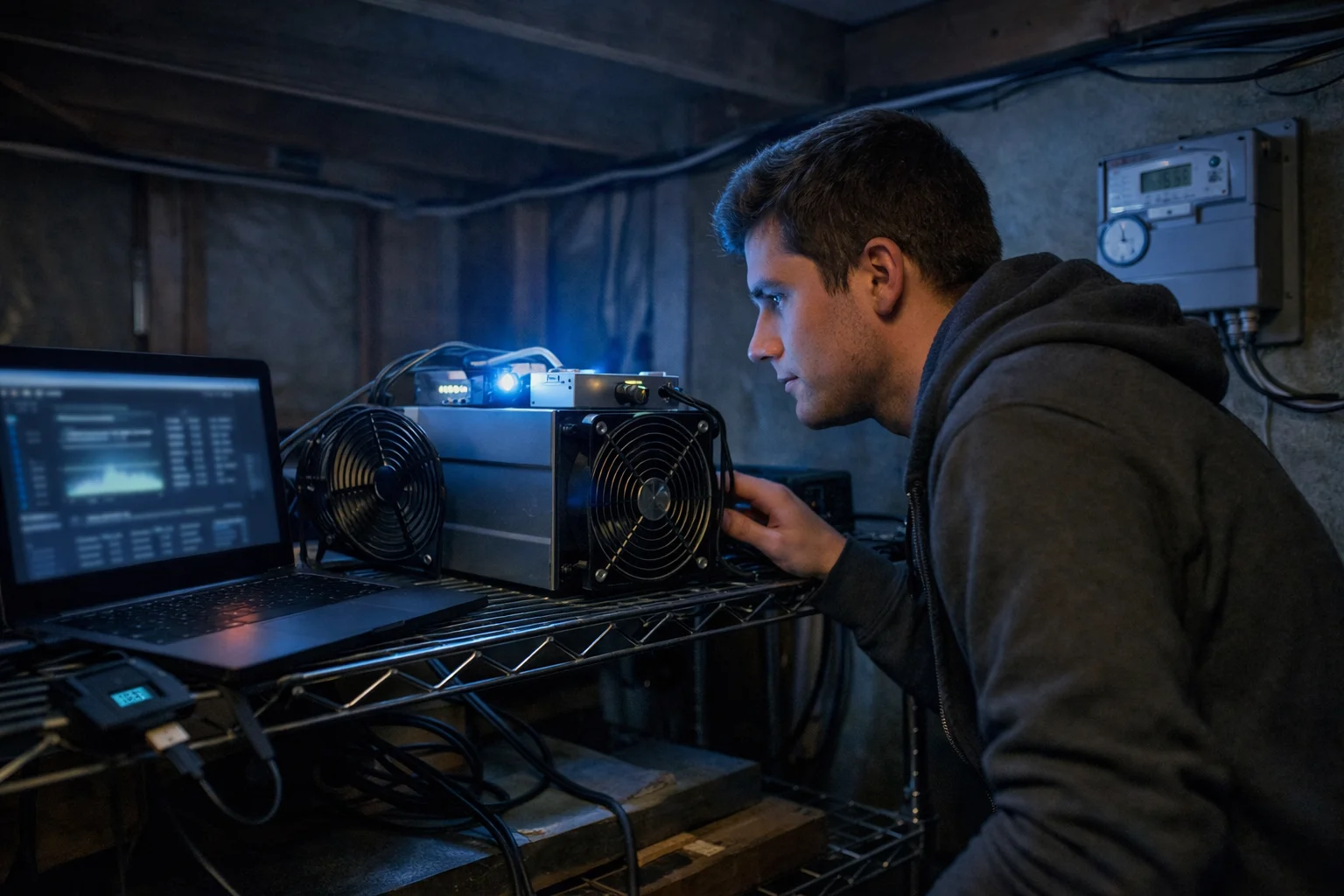
“Proper cooling is not just about fans; in the UK climate, we recommend immersion cooling or dedicated exhaust ducting for home setups. Without it, an ASIC miner running at 3,500 watts can raise the temperature of a standard room to over 30°C within an hour, leading to thermal throttling and reduced lifespan of the hardware.”
A miner also needs:
- A reliable electricity supply
- Good ventilation or cooling
- Stable internet access
- A Bitcoin wallet to receive rewards
- Mining software such as CGMiner or NiceHash
| Hardware Type | Average Cost | Efficiency (2026 Standard) |
| Standard PC CPU | £300–£1,000 | N/A |
| Gaming GPU | £800–£2,000 | >100 J/TH (Inefficient) |
| ASIC Miner | £2,500–£12,000+ | 16–22 J/TH |
Expert Setup Tip: When selecting hardware in 2026, ensure your firmware is compatible with Braiins OS or similar auto-tuning software. This allows you to ‘undervolt’ your ASIC during peak electricity hours in the UK, maintaining a level of profitability even when energy prices spike.
How Can Someone Set Up a Bitcoin Mining Rig at Home?
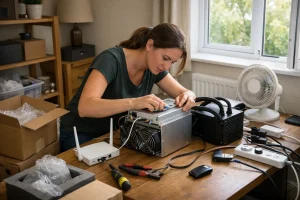
Setting up a Bitcoin mining rig at home involves choosing hardware, installing software, and joining a mining pool.
“During our setup of the Bitmain Antminer S21, we found that high-quality cooling equipment was more critical for UK summer months than initially expected”.
Choosing the Right Mining Hardware
Most UK home miners choose an ASIC miner such as the Bitmain Antminer S21 or WhatsMiner M60 because these models are more efficient.
Installing Bitcoin Mining Software
The mining software connects the hardware to the Bitcoin network or mining pool. Common options include:
- CGMiner
- BFGMiner
- NiceHash
- Braiins OS
Creating a Secure Bitcoin Wallet
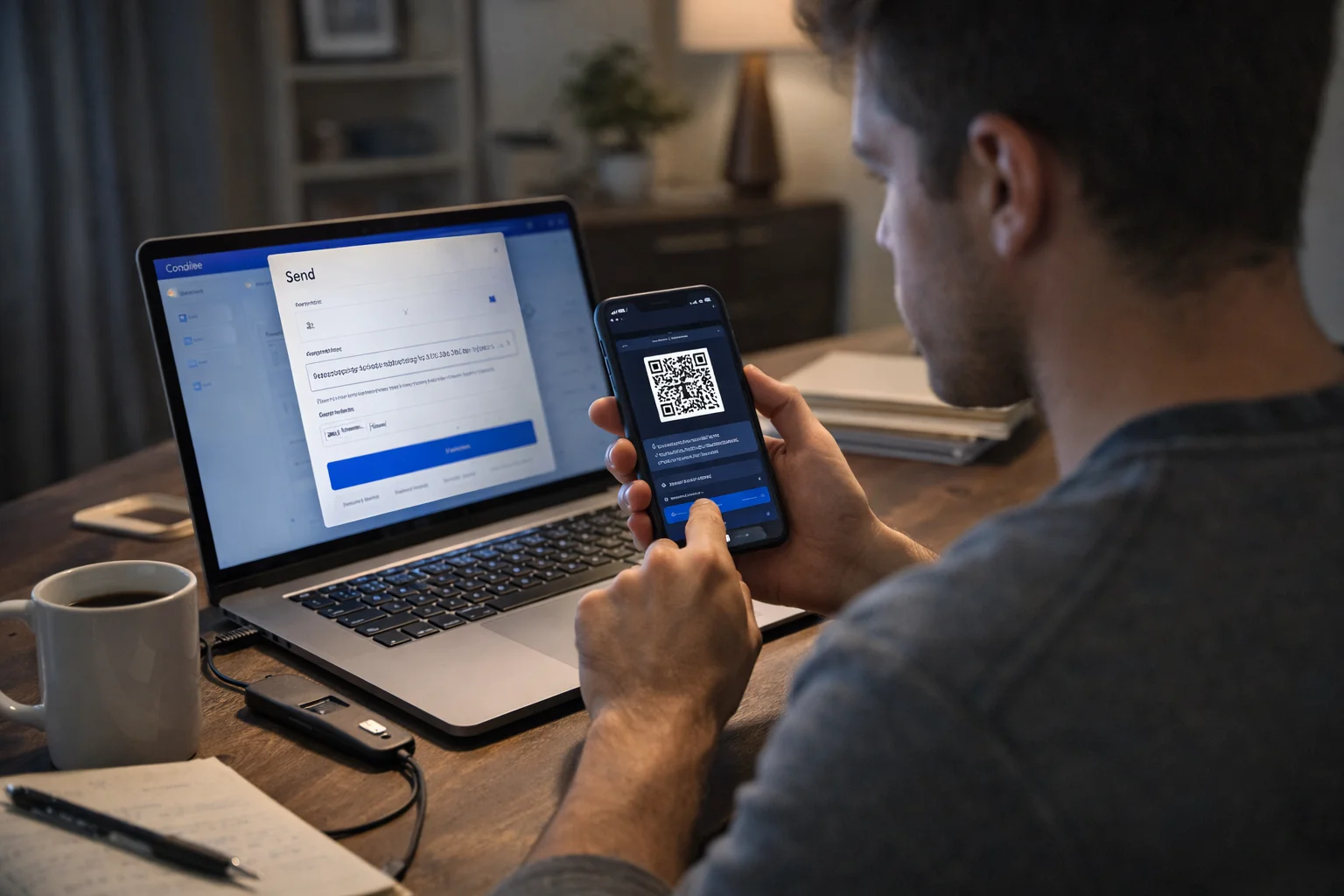
A wallet is needed to receive mining rewards. Hardware wallets are usually the safest option.
Connecting to a Mining Pool
Most people join a mining pool because mining alone is very unlikely to produce rewards. In a mining pool, many miners combine their computing power and share the reward.
How Much Does It Cost to Mine Bitcoin in the UK?
Bitcoin mining in the UK can be expensive because of high electricity prices. The total cost depends on the price of the ASIC machine and how much energy it uses.
Hardware Purchase Costs
An entry-level ASIC miner may cost around £2,500, while a more advanced model can exceed £10,000.
Electricity and Energy Consumption
A typical ASIC miner may use between 3,000 and 3,500 watts of electricity. Running it continuously can cost several hundred pounds each month in the UK.
Ongoing Maintenance and Internet Expenses
There are also extra costs for cooling, maintenance, replacement parts, and internet access.
| Expense | Estimated UK Cost |
| ASIC Miner | £2,500–£12,000 |
| Monthly Electricity | £200–£500 |
| Cooling Equipment | £50–£300 |
| Internet and Maintenance | £20–£100 per month |
A home miner from Manchester summed it up naturally:
“The machine itself was expensive, but the electricity bill was the real shock. After three months, it became clear that low energy costs matter more than anything else.”
Is Bitcoin Mining Profitable in 2026?
Bitcoin mining can still be profitable in 2026, but only under the right conditions. Profitability depends on:
- The price of Bitcoin
- The efficiency of the ASIC miner
- Electricity costs
- Mining difficulty
- Pool fees
Factors That Affect Mining Profitability
A miner using modern hardware and low-cost electricity is far more likely to make a profit.
The Impact of Bitcoin Price and Mining Difficulty
If Bitcoin prices rise, mining becomes more profitable. However, if more miners join the network, mining difficulty increases, making it harder to earn rewards.
Many miners use a Bitcoin mining calculator to estimate potential earnings before buying equipment.
Should Bitcoin Be Mined Alone or Through a Mining Pool?
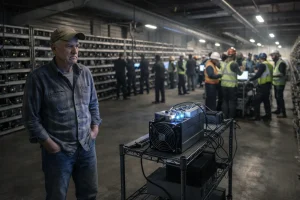
Most miners choose a mining pool because the chances of mining a block alone are extremely low.
The Advantages of Solo Mining
Solo mining gives the miner the full reward if they solve a block. However, this can take years unless they have a large mining operation.
The Benefits of Joining a Mining Pool
Mining pools combine the power of many miners. Rewards are shared, but they are paid more regularly.
| Feature | Solo Mining | Mining Pool |
| Reward Size | Full block reward | Smaller shared reward |
| Chance of Success | Very low | Much higher |
| Regular Income | Unpredictable | More consistent |
| Best For | Large mining farms | Home miners |
How Long Does It Take to Mine One Bitcoin?
There is no exact amount of time because miners usually receive only a fraction of a block reward.
At the current reward of 3.125 BTC every 10 minutes, the Bitcoin network creates approximately 1 BTC every 3.2 minutes. However, an individual miner may take months or even years to earn 1 BTC, depending on the size of their mining operation.
What Risks and Challenges Come With Bitcoin Mining?
| Risk or Challenge | Description | Impact on Bitcoin Mining |
| Rising electricity prices |
Bitcoin mining depends heavily on electricity. If energy prices rise, especially in the UK, the cost of running ASIC miners can increase significantly. |
Mining can quickly become unprofitable because electricity is usually the largest ongoing expense. |
| Hardware wear and tear |
ASIC miners operate continuously and generate a large amount of heat. Over time, this can damage internal components, reduce performance, and shorten the machine’s lifespan. |
Miners may need to pay for repairs or replace equipment sooner than expected, increasing overall costs. |
| Competition from large mining firms |
Large mining companies use industrial-scale mining facilities with cheaper electricity and more powerful hardware. They also benefit from economies of scale. |
Small home miners may struggle to compete because their chances of earning rewards are lower and their costs are usually higher. |
Is Bitcoin Mining Legal in the UK?
Bitcoin mining is legal in the UK. There are currently no laws preventing individuals or businesses from mining Bitcoin.
However, miners may need to:
- Pay tax on profits
- Follow electricity and safety regulations
- Report mining income to HMRC
Mining is legal, but the profits are usually treated as taxable income or capital gains.
What Are the Best Ways to Improve Bitcoin Mining Profits?
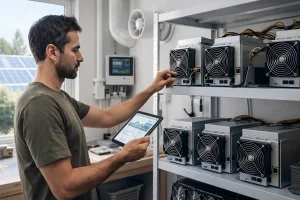
There are several ways to make Bitcoin mining more profitable. In most cases, successful miners focus on improving efficiency rather than simply buying more machines.
Lower electricity costs, better-performing hardware, and careful planning usually have a greater impact on profits than adding extra mining rigs.
Using Efficient ASIC Hardware
Modern ASIC miners are designed to produce a higher hash rate while using less electricity. Machines such as the Bitmain Antminer S21 or WhatsMiner M60 are far more efficient than older models.
For example, an older ASIC may use more than 30 joules per terahash, while newer equipment can operate at 16–20 joules per terahash. This means the miner spends less on electricity for the same amount of mining power.
Upgrading to a more efficient ASIC can also protect profits when Bitcoin prices fall or network difficulty increases.
Older machines often become unprofitable quickly because they consume too much energy. By contrast, efficient hardware allows a miner to continue operating even during periods when the market is less favourable.
A miner in Birmingham upgraded from two older ASIC machines to a newer Antminer S21 after noticing that his previous setup was consuming too much electricity. Within two months, he reduced his monthly energy bill by nearly £140 while increasing his overall hash rate, which improved his mining returns even during a period of lower Bitcoin prices.
Reducing Electricity Costs
Electricity is usually the largest expense in Bitcoin mining, particularly in the UK where energy prices can be high. One of the most effective ways to improve profitability is to run mining equipment during off-peak hours when electricity tariffs are lower.
Some miners also switch to special business tariffs or use time-of-use energy plans to reduce costs.
Other miners lower their electricity bills by using renewable energy. Solar panels are becoming more common for home mining setups because they can offset some of the power used during the day.
Even if renewable energy does not power the entire operation, reducing the amount of electricity purchased from the grid can make a noticeable difference to overall profitability.
A miner can also improve efficiency by ensuring that cooling systems work properly. Poor cooling forces the ASIC to work harder and use more power.
Using better airflow, extraction fans, or even immersion cooling can help reduce electricity use and extend the life of the hardware.
One home miner in Manchester reduced electricity costs by switching to an off-peak tariff and running his mining equipment at full power overnight. He also installed basic solar panels to support daytime energy use. As a result, his monthly electricity costs fell by around 25%, making his Bitcoin mining operation profitable again.
Using a Bitcoin Mining Calculator
A Bitcoin mining calculator allows a miner to estimate expected earnings before purchasing equipment. These calculators use details such as the ASIC’s hash rate, electricity cost, power usage, mining difficulty, and current Bitcoin price.
They then estimate how much profit the miner could make each day, week, or month.
Using a mining calculator is important because it helps prevent expensive mistakes. A machine that appears profitable at first may actually lose money once electricity costs and pool fees are included.
By comparing several ASIC models with different electricity prices, a miner can identify which setup is most likely to produce a positive return.
A beginner miner in London used a Bitcoin mining calculator before purchasing any equipment. After comparing several ASIC models, he realised that a cheaper machine would actually lose money because of its high power usage. Instead, he chose a more efficient model with a higher upfront cost, which allowed him to recover his investment much faster.
Many miners use tools such as NiceHash or WhatToMine before buying equipment or changing their setup. These tools also make it easier to understand how profits may change if Bitcoin prices rise or if network difficulty increases.
Conclusion
Bitcoin mining involves using specialised ASIC hardware to validate transactions and secure the Bitcoin blockchain. In 2026, mining is no longer practical with ordinary computers or GPUs, and most people mine through a pool.
Although the rewards can be valuable, the high cost of electricity and hardware means that profitability depends heavily on careful planning. For most UK miners, success comes from efficient equipment, low electricity costs, and realistic expectations.
FAQs
Can Bitcoin mining be done on a laptop?
No. A laptop does not have enough power to mine Bitcoin profitably and may become damaged due to overheating.
What is the best ASIC miner for beginners?
Many beginners start with models such as the Bitmain Antminer S21 because it offers strong performance and reasonable efficiency.
How much electricity does a Bitcoin miner use?
Most ASIC miners use between 3,000 and 3,500 watts, which can result in high monthly electricity bills.
Is cloud mining safer than buying equipment?
Cloud mining avoids the cost of buying hardware, but it carries a greater risk of scams and low returns.
Can somebody mine Bitcoin without joining a pool?
Yes, but solo mining is rarely successful unless the miner has a large amount of computing power.
What happens when all 21 million bitcoins are mined?
Once all bitcoins are mined, miners will earn only transaction fees instead of block rewards.
Does Bitcoin mining damage hardware?
Continuous use can shorten the lifespan of mining hardware because of the heat and heavy workload.
Is Bitcoin mining taxable in the UK?
Yes. HMRC may treat mining profits as taxable income, depending on how the mining activity is carried out.