


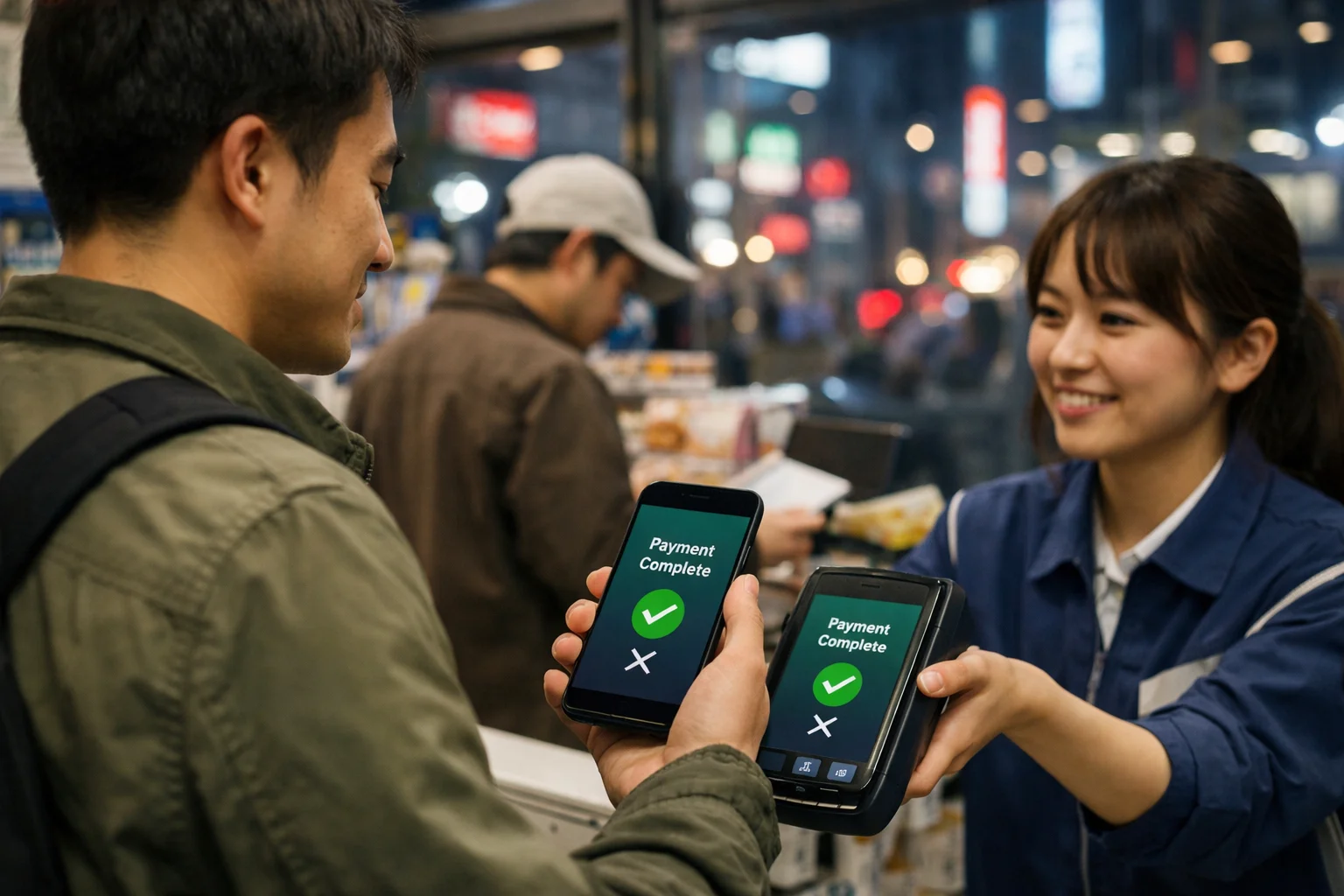
Rakuten is integrating XRP into Rakuten Pay and Rakuten Wallet, allowing its 44 million users to buy, trade, hold and spend XRP at more than 5 million merchant locations across Japan. Users will also be able to convert Rakuten Points into XRP, creating a direct link between Japan’s largest loyalty programme and cryptocurrency.
The integration is widely viewed as a major step for Ripple because it places XRP into a trusted, everyday payment system rather than limiting it to trading platforms.
At a Glance: Starting 15 April 2026, Rakuten Pay users in Japan can convert Rakuten Points into XRP and spend them at over 5 million merchants. This integration connects Ripple’s XRP to a network of 44 million users, marking one of the largest real-world crypto payment rollouts in Asia.
Key Takeaways:
- Rakuten Pay will support XRP payments across more than 5 million merchants.
- Rakuten Wallet will allow users to hold and trade XRP directly.
- Customers will be able to convert Rakuten Points into XRP.
- The rollout is expected to begin from 15 April.
- Ripple could gain significant exposure through Rakuten’s 44 million users.
- The integration may accelerate mainstream crypto adoption in Japan.
Regulatory Context: This move aligns with Japan’s Financial Services Agency (FSA) reclassification of digital assets. By mid-2026, Japan is expected to finalize a framework that could reduce capital gains tax on crypto transactions from 55% to 20%, making it more viable for consumers to spend XRP daily rather than just holding it as an investment.
XRP Rakuten Integration: How 44M Users Can Now Spend Crypto in Japan?

The XRP Rakuten payments integration represents more than a simple addition of another cryptocurrency to an app. It reflects a broader shift in Japan’s digital economy, where major consumer platforms are beginning to treat digital assets as practical financial tools rather than speculative investments.
Japan already has one of the world’s most advanced cashless payment markets. Consumers regularly use mobile wallets, QR-code payments and loyalty points for day-to-day purchases. By introducing XRP into this environment, Rakuten is effectively placing cryptocurrency into a system that millions of people already trust and use.
Unlike previous crypto adoption efforts that focused mainly on investors or technology enthusiasts, Rakuten’s approach is designed for ordinary consumers. The ability to spend XRP through a familiar payment app could remove much of the complexity traditionally associated with digital assets.
| Feature | Before XRP Integration | After XRP Integration |
| Rakuten Pay | Traditional payment methods only | XRP can be used for purchases |
| Rakuten Wallet | Limited crypto access | XRP trading and storage available |
| Rakuten Points | Redeemed for products or discounts | Can also be converted into XRP |
| Merchant Acceptance | Fiat-based transactions | XRP accepted at over 5 million merchants |
“Tatsuya Kohrogi, Senior Ecosystem Growth Manager at Ripple, said the development is ‘one of the most significant XRP milestones because it connects the asset to a trusted consumer ecosystem with nationwide reach.’”
The integration may also strengthen Japan’s position as one of the leading countries for regulated cryptocurrency adoption.
Unlike many markets where crypto remains loosely regulated or poorly understood, Japan has generally taken a structured approach to digital assets. Rakuten’s decision to support XRP fits within this wider environment of cautious but steady innovation.
Why Is Rakuten Adding XRP to Rakuten Pay and Rakuten Wallet?
Rakuten is adding XRP because the company sees growing demand for digital assets that can be used in practical ways. Over recent years, the company has gradually expanded its cryptocurrency services. It previously introduced support for Bitcoin, Ether and Bitcoin Cash, while also developing Rakuten Coin and its own loyalty-based ecosystem.
XRP appears to be a logical next step because it is designed for fast and low-cost transactions. Compared with many other cryptocurrencies, XRP offers lower fees and quicker settlement times, making it more suitable for consumer payments.
Rakuten also benefits from XRP’s strong reputation in Japan. Ripple has long maintained close ties with Japanese financial institutions, and XRP already has a larger profile in Japan than in many other countries. This gives Rakuten a cryptocurrency that users may already recognise and trust.
Rakuten’s Existing Position in Japan’s Crypto Market
Rakuten has steadily built a strong position within Japan’s digital finance sector. The company operates Rakuten Pay, Rakuten Wallet, Rakuten Bank and Rakuten Securities, creating a broad ecosystem that connects shopping, payments, banking and investment services.
Because of this existing infrastructure, Rakuten is in a stronger position than many competitors to introduce cryptocurrency into everyday life. Users do not need to open separate crypto accounts or download new applications. Instead, XRP can be integrated into services they already use.
Rakuten’s existing crypto strategy includes:
- Cryptocurrency trading through Rakuten Wallet
- Loyalty rewards via Rakuten Points
- Cashless payments through Rakuten Pay
- Financial services linked to Rakuten Bank
This interconnected structure means Rakuten can introduce XRP in a way that feels simple and familiar.
Why Was XRP Chosen Instead of Another Cryptocurrency?
Rakuten could have chosen many different cryptocurrencies, but XRP offers several advantages that make it especially suitable for payment integration.
First, XRP transactions are typically completed within seconds. This is important in retail settings where customers expect instant confirmation. Secondly, transaction costs are extremely low, which makes XRP practical for small purchases as well as larger payments.
Another important factor is Ripple’s presence in Japan. Ripple has worked closely with Japanese banks and payment providers for years. As a result, XRP already has stronger brand recognition in Japan than many other digital assets.
| Cryptocurrency | Average Transaction Speed | Typical Fee | Suitability for Retail Payments |
|---|---|---|---|
| XRP | 3–5 seconds | Very low | High |
| Bitcoin | 10–60 minutes | Higher | Moderate |
| Ethereum | Several minutes | Variable | Moderate |
| Bitcoin Cash | Minutes | Low | Moderate |
How Will Rakuten Customers Use XRP Through the Platform?
Rakuten customers are expected to have three main ways to use XRP: buying it, storing it and spending it. This creates a more complete ecosystem than many previous crypto integrations, where users could only trade assets but not actually use them.
The process is designed to be simple. Users can buy XRP through Rakuten Wallet, either with standard currency or by converting Rakuten Points. Once they hold XRP, they can use it within Rakuten Pay at participating merchants.
This approach reduces the barriers that usually prevent ordinary consumers from trying cryptocurrency. Instead of requiring external wallets or specialist exchanges, everything happens within the Rakuten ecosystem.
How Can Users Buy XRP With Rakuten Points?
One of the most important parts of the integration is the ability to convert Rakuten Points into XRP. Rakuten Points are one of Japan’s largest loyalty programmes, with more than 3 trillion points circulating across the network.
For many users, this may become their first exposure to cryptocurrency. Instead of spending points on discounts or products, they can choose to exchange them for XRP and hold the asset in Rakuten Wallet.
The process could be particularly attractive because it feels less risky than spending cash directly. Consumers are often more willing to experiment with loyalty points than with their own money.
“David Schwartz, Chief Technology Officer at Ripple, noted that ‘the easiest way to encourage digital asset adoption is to place it inside systems people already understand and use every day.’”
The connection between Rakuten Points and XRP may create several benefits:
- Lower barrier to entry for new crypto users
- Increased visibility for XRP among ordinary consumers
- Greater flexibility for Rakuten loyalty members
- Stronger incentives for users to remain within the Rakuten ecosystem
Why Could Loyalty Points Become a Powerful Driver of XRP Adoption?

Rakuten’s loyalty network is enormous. The company distributes billions of points every year, and many customers actively collect and redeem them. By allowing those points to be converted into XRP, Rakuten is effectively turning its rewards system into a crypto gateway.
This matters because loyalty programmes are already familiar and trusted. Users do not need to learn complicated crypto terminology before trying XRP. They simply exchange points they already own.
The ability to move from points to digital assets could gradually normalise cryptocurrency usage in Japan. Over time, customers may begin by converting a small number of points into XRP and eventually become comfortable using XRP for payments as well.
How Will XRP Be Used at More Than 5 Million Merchants?
Rakuten Pay already supports payments at millions of restaurants, convenience stores, retailers and online businesses across Japan. Once XRP is integrated, users will be able to use the cryptocurrency as a payment option within the same app.
The scale of this rollout is significant. Most cryptocurrency payment systems remain limited to a relatively small number of merchants. Rakuten, by contrast, can immediately offer access to more than 5 million locations.
This could make XRP one of the most widely accepted cryptocurrencies in Japan almost overnight.
What Types of Purchases Could Be Made With XRP?
Consumers are expected to use XRP for many of the same purchases currently made through Rakuten Pay.
These may include:
- Online shopping
- Restaurant payments
- Convenience store purchases
- Travel bookings
- Utility bills
- Entertainment subscriptions
Because XRP transactions settle quickly, the payment experience should remain almost identical to existing mobile payments. The customer simply selects XRP as the preferred payment method.
However, there may still be some restrictions in the early stages. Certain merchants may choose not to support crypto payments immediately, and Rakuten may initially limit the service to selected users before a wider rollout.
How to Spend XRP via Rakuten Pay?
- Update the App: Ensure your Rakuten Wallet and Rakuten Pay apps are updated to the latest April 2026 versions.
- Connect Wallet: Link your Rakuten Wallet account to your Rakuten Pay profile.
- Convert Points: Within the “Point Exchange” menu, select “Rakuten Points to XRP.” Note that there is typically a minimum exchange of 100 points.
- Pay at Merchant: When paying at a merchant, select “Rakuten Cash” as your source; the app will automatically handle the XRP-to-Fiat conversion at the point of sale.
Why Is This XRP Integration a Major Milestone for Ripple in Japan?
For Ripple, the Rakuten integration represents one of the most important consumer-facing developments in its history. Ripple has often focused on banks, remittance providers and financial institutions. Although these partnerships are valuable, they are not always visible to ordinary consumers.
Rakuten changes that. By bringing XRP into a major retail and payment ecosystem, Ripple gains direct access to millions of everyday users. This is very different from previous institutional partnerships because consumers can now see and use XRP in their daily lives.
The integration may also improve XRP’s reputation. In some markets, XRP is still seen mainly as a speculative asset. Rakuten’s adoption positions it instead as a practical tool for payments and rewards.
“Yoshitaka Kitao, Representative Director of SBI Holdings and a long-time Ripple supporter, previously argued that ‘XRP has its greatest value when consumers can use it naturally within ordinary payment systems.’”
Another reason the move matters is timing. Cryptocurrency markets have recently shifted away from speculation and towards practical utility. Investors increasingly want to know which digital assets have real-world use cases. Rakuten’s support for XRP gives Ripple a strong answer to that question.
How Could Rakuten’s 44 Million Users Accelerate XRP Adoption?
Rakuten’s user base is one of the strongest arguments for why this integration could become so influential. With approximately 44 million customers, Rakuten already reaches a large portion of Japan’s population.
Even if only a small percentage of those users decide to try XRP, the number would still be significant. For example, if just 10% of Rakuten’s users experiment with XRP, that would equal around 4.4 million people.
| Adoption Rate Among Rakuten Users | Estimated Number of XRP Users |
| 5% | 2.2 million |
| 10% | 4.4 million |
| 20% | 8.8 million |
| 30% | 13.2 million |
This scale could create a powerful network effect. As more users begin holding and spending XRP, more merchants may be encouraged to support it. Greater merchant support would then make XRP more useful, leading to further adoption.
The relationship between users, merchants and rewards creates a self-reinforcing cycle that few other cryptocurrency projects currently possess.
What Impact Could XRP Have on Japan’s E-Commerce and Payment Industry?

The integration could have broader consequences beyond Rakuten itself. If the rollout proves successful, other Japanese payment companies may feel pressure to expand their own cryptocurrency offerings.
Japan’s payment industry is highly competitive. Companies are constantly looking for new features that can attract users. If Rakuten gains attention and customer engagement through XRP, rivals may attempt to follow the same path.
This could lead to wider adoption of digital assets across the country’s e-commerce and payment sectors.
Could Other Companies Follow Rakuten’s Example?
Several major Japanese firms already have some level of interest in cryptocurrency. Payment providers, banks and online marketplaces may watch Rakuten closely before deciding whether to introduce similar services.
Potential areas of future expansion could include:
- Additional cryptocurrencies beyond XRP
- More widespread crypto payment options
- Loyalty points linked to digital assets
- International remittance services using XRP
If these trends continue, Japan could emerge as one of the world’s leading markets for practical crypto payments.
What Are the Advantages and Disadvantages of Using XRP Through Rakuten?
While the integration offers major opportunities, there are also some challenges and risks. Users may appreciate the convenience and speed of XRP, but cryptocurrency still involves price volatility and regulatory uncertainty.
| Pros | Cons |
| Fast transactions | XRP price can fluctuate |
| Very low fees | Some merchants may not support it immediately |
| Can be bought with Rakuten Points | Crypto regulations may change |
| Accessible through a trusted platform | New users may still find it confusing |
| Potential for mainstream adoption | Security concerns remain important |
Consumers may therefore approach XRP cautiously at first. Many users are likely to begin with small transactions or point conversions before using larger amounts.
What Could the XRP Rakuten Payments Integration Mean for Investors and the Future of Crypto Payments?

Investors are likely to view the Rakuten announcement as an important sign that XRP is gaining practical relevance. The integration provides a real-world use case rather than another speculative promise.
If Rakuten’s rollout succeeds, it could strengthen confidence in XRP and potentially increase demand for the asset. Investors often pay close attention to developments that expand the utility of a cryptocurrency because practical use can support long-term value.
However, it is important to recognise that price movements are never guaranteed. XRP may benefit from stronger adoption, but the broader cryptocurrency market remains unpredictable.
More importantly, the integration may indicate where the future of crypto payments is heading. Instead of relying on separate crypto platforms, digital assets may increasingly be built directly into existing payment and loyalty systems.
This model could prove more effective because consumers are more likely to adopt new technology when it appears inside familiar brands and services. Rakuten has already created that environment by combining shopping, rewards and financial services in one place.
If the strategy works, XRP’s integration into Rakuten may eventually be remembered as one of the moments when cryptocurrency moved from the margins into everyday life.
Conclusion
Rakuten’s decision to integrate XRP into Rakuten Pay and Rakuten Wallet could become one of the most important developments for cryptocurrency adoption in Japan. By giving 44 million users the ability to buy, hold and spend XRP, Rakuten is turning a digital asset into an everyday payment option.
The addition of Rakuten Points makes the process even more accessible and could encourage millions of people to try XRP for the first time. Although there are still risks and uncertainties, the integration represents a major opportunity for Ripple and may shape the future of digital payments across Japan and Asia.
FAQ
When will Rakuten begin rolling out XRP integration?
Rakuten is expected to begin the rollout from 15 April, although the service may initially be introduced in stages before becoming widely available to all users.
Can Rakuten users buy XRP directly with loyalty points?
Yes. Rakuten plans to allow customers to convert Rakuten Points directly into XRP, making it possible to acquire the cryptocurrency without using cash.
Will XRP be accepted at every Rakuten Pay merchant?
XRP is expected to be available across more than 5 million merchants, but some locations may not support the feature immediately during the early stages of the rollout.
Why is Ripple focusing strongly on Japan?
Japan has been one of Ripple’s most supportive markets for many years. The company has established partnerships with Japanese banks and financial firms, making the country an important centre for XRP adoption.
Is XRP different from Bitcoin when used for payments?
Yes. XRP is generally faster and cheaper to use for payments than Bitcoin. Transactions are completed within seconds and involve much lower fees.
Could Rakuten’s integration increase the value of XRP?
The integration may improve market confidence and demand for XRP, but cryptocurrency prices remain unpredictable and can still rise or fall for many reasons.
Is it safe to store XRP in Rakuten Wallet?
Rakuten Wallet is expected to provide security measures similar to those used for its existing cryptocurrency services. However, users should still follow good security practices, such as using strong passwords and two-factor authentication.