


If someone wants to buy XRP in the UK, the easiest method is to choose a trusted cryptocurrency exchange such as Coinbase, Kraken or Binance, create an account, complete identity verification, deposit funds with a bank transfer or debit card, and then purchase XRP directly through the platform.
After buying XRP, it should be moved to a secure crypto wallet for extra protection. UK investors should also compare fees, check whether the platform follows FCA rules, and understand the risks before investing.
Current XRP Performance (April 2026)
- XRP Price (GBP): approximately £1.01 (Consolidating near key support).
- Market Cap Rank: 4th globally.
- 24h Volume: Over £2.1 billion (driven by institutional interest).
- Key Catalyst: Markets are currently watching the CLARITY Act markup vote in late April, which is expected to provide definitive regulatory status for XRP.
Key Takeaways:
- XRP can be bought in the UK through regulated cryptocurrency exchanges.
- A user must usually complete ID verification before purchasing XRP.
- Bank transfers often have lower fees than debit card payments.
- XRP should be stored in a secure wallet after purchase.
- Investors should understand taxes, fees and market risks before buying.
- FCA-regulated exchanges are generally the safest option for UK buyers.
What Is XRP and Why Is It Popular in the UK?
XRP is a digital cryptocurrency created to make international payments faster and cheaper. It is linked to the Ripple payment network, which was designed to help banks and financial institutions transfer money across borders without long delays or high fees.
Unlike Bitcoin, which is often seen as a store of value, XRP focuses on payment speed. XRP transactions are usually completed within seconds, and the transaction fees are much lower than many other cryptocurrencies. This makes XRP attractive to people in the UK who want a practical cryptocurrency with real-world use.
XRP has become increasingly popular in the UK because many investors believe it has long-term growth potential. British investors are also drawn to XRP because it is available on most major crypto exchanges and can be purchased with pounds sterling.
Some of the main reasons why XRP is popular in the UK include:
- Fast transaction speeds
- Lower fees compared with Bitcoin and Ethereum
- Availability on popular UK exchanges
- Potential for long-term price growth
- Practical use within international payment systems
| Feature | XRP | Bitcoin | Ethereum |
| Average Transaction Time | 3–5 seconds | 10–60 minutes | 1–15 minutes |
| Typical Transaction Fee | Very low | Higher | Moderate |
| Main Purpose | Payments | Digital store of value | Smart contracts |
Is XRP Legal to Buy and Trade in the UK?
Yes, XRP is legal to buy, sell and trade in the UK. There are currently no laws preventing UK residents from investing in XRP or other cryptocurrencies. However, cryptocurrency exchanges must follow UK anti-money laundering rules and verify the identity of users before allowing them to trade.
The Financial Conduct Authority (FCA) does not directly regulate XRP itself, but it does supervise crypto businesses that operate in the UK. Because of this, UK investors should choose exchanges that are registered with the FCA or that have a strong reputation for security and compliance.
Buying XRP from an unknown or unregulated platform can increase the risk of fraud, hidden charges or account problems. It is always safer to use a well-known exchange that supports UK customers and allows deposits in GBP.
David Mitchell, UK Crypto Compliance Consultant: “Many people assume every crypto platform is safe, but that is not always the case. In the UK, choosing an exchange with FCA registration or strong compliance standards can make a significant difference.”
Investors should also remember that cryptocurrency values can change quickly. Although XRP is legal, it still carries financial risk. Nobody should invest more money than they can afford to lose.
Which Crypto Exchanges Are Best for Buying XRP in the UK?
There are several exchanges that allow people in the UK to buy XRP. The best platform depends on the user’s experience, preferred payment method and the level of fees they are willing to pay.
The most popular options include:
Each platform offers slightly different features. Some are easier for beginners, while others provide lower fees or more advanced trading tools.
| Platform | Best For | Deposit Fees (GBP) | Top Feature |
| Kraken | Overall Excellence | Free (Faster Payments) | 24/7 Support & High Security |
| Coinbase | Advanced Users | Free (Bank Transfer) | Insurance fund & Pro tools |
| eToro | Beginners | Variable | CopyTrading features |
| Bitpanda | Asset Variety | 0.99% + Spread | Over 600+ coins available |
FCA-Regulated and Trusted Platforms
When choosing an exchange, investors should look for a platform that supports UK users, offers GBP deposits and has strong security features. Two-factor authentication, account verification and cold wallet storage are all important.
Coinbase is often recommended for beginners because it has a simple interface. Kraken is usually preferred by people who want lower fees. Binance offers more features but can be more complicated for someone who is new to cryptocurrency.
A trusted exchange should also provide:
- Strong customer support
- Transparent pricing
- Secure payment methods
- Good reviews from UK users
It is worth comparing several exchanges before making a decision. A few minutes spent researching can help avoid unnecessary costs or problems later.
How Can Someone Create an Account and Buy XRP in the UK?
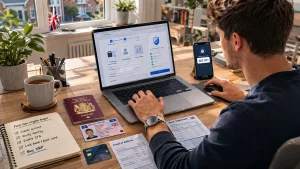
Buying XRP in the UK is usually a straightforward process. Most exchanges follow a similar setup procedure, and the entire process can often be completed within one day.
The first step is to create an account on a crypto exchange. The user will normally need to enter their email address, create a password and confirm their identity.
Account Registration and Identity Verification
Most UK exchanges require identity verification before XRP can be purchased. This process is known as KYC, which stands for “Know Your Customer”.
The user may need to upload:
- A passport or driving licence
- A selfie for facial verification
- Proof of address, such as a utility bill
Verification usually takes between a few minutes and 24 hours, depending on the exchange.
After the account has been approved, the user can deposit money. UK investors usually have two main payment options:
- Bank transfer
- Debit card
Bank transfers often take longer, but they usually have lower fees. Debit cards are faster, although they may involve extra charges.
Once the money has been deposited, buying XRP is simple. The user only needs to:
- Search for XRP on the exchange
- Enter the amount they want to buy
- Review the fees
- Confirm the transaction
The XRP will then appear in the account wallet almost immediately.
Sarah Bennett, Cryptocurrency Adviser: “The most common mistake among first-time investors is rushing through the account setup process. Spending a little more time on identity checks and security settings can prevent major issues later.”
What Are the Fees and Payment Methods for Buying XRP in the UK?
The total cost of buying XRP depends on the exchange and payment method. Some platforms charge more for convenience, while others keep fees low but may be less beginner-friendly.
The two most common ways to pay are by debit card and bank transfer.
| Payment Method | Speed | Typical Fee | Best For |
| Bank Transfer | 1–3 days | Low | Lower-cost purchases |
| Debit Card | Instant | Higher | Fast buying |
Bank transfers are usually the cheapest method. Many exchanges charge little or no fee for bank deposits in GBP. Debit cards are more convenient, but some exchanges charge between 2% and 4%.
There may also be additional costs when buying XRP, including:
- Trading fees
- Deposit fees
- Withdrawal fees
- Currency conversion fees
Before confirming the purchase, the exchange should display the total amount of XRP that will be received and the full fee.
For example, if someone deposits £500 using a debit card, they may lose £10 to £20 in fees. The same purchase made by bank transfer may cost less than £5.
Investors should always compare the full cost before choosing a payment method. Even small differences in fees can become expensive over time.
Which XRP Wallet Is Best for Secure Storage?
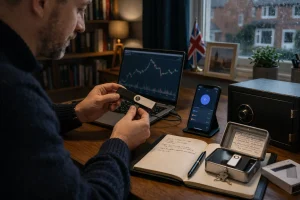
After buying XRP, it is important to think about storage. Leaving cryptocurrency on an exchange can be convenient, but it also carries more risk. If the exchange is hacked or the account is compromised, the XRP could be lost.
A crypto wallet provides extra protection. There are two main types of XRP wallet:
- Hot wallets
- Cold wallets
Hot Wallets and Cold Wallets
A hot wallet is connected to the internet. Examples include mobile apps and desktop wallets. Hot wallets are easy to use and allow quick access to XRP, making them suitable for smaller amounts or regular trading.
Popular XRP hot wallets include Trust Wallet, Exodus and Atomic Wallet.
Cold wallets are not connected to the internet. They are physical devices, such as Ledger or Trezor. Cold wallets offer much stronger security because hackers cannot access them online.
Someone who plans to hold XRP for a long period should usually choose a cold wallet. Although these wallets cost money to buy, they provide greater protection for larger investments.
| Wallet Type | Security Level | Ease of Use | Best For |
| Hot Wallet | Medium | Easy | Frequent trading |
| Cold Wallet | High | Moderate | Long-term storage |
A good wallet should also include:
- Two-factor authentication
- Backup recovery phrases
- Strong encryption
- Compatibility with XRP
Investors should never share their recovery phrase with anyone. If the recovery phrase is lost, access to the XRP may also be lost permanently.
UK Crypto Regulations in 2026: What You Need to Know?
Investing in XRP in the UK is now governed by the Financial Services and Markets Act 2000 (Cryptoassets) Regulations 2026.
- Investor Protections: Firms must now follow strict FCA guidelines regarding financial promotions and market abuse.
- Authorisation Gateway: The FCA is opening a dedicated “cryptoasset gateway” in September 2026 to further regulate firms operating in the UK.
- Safety Tip: Always ensure your chosen exchange is on the FCA’s registered list to avoid unregulated “offshore” entities.
What Are the Risks and Benefits of Investing in XRP in the UK?
Like every cryptocurrency, XRP has both advantages and disadvantages. It may offer strong growth potential, but it is also a volatile investment.
One of the biggest benefits of XRP is its speed and low transaction cost. Many people believe XRP could become more valuable if the Ripple payment network continues to grow.
Other benefits include:
- Easy to buy on UK exchanges
- Fast transfers
- Lower fees than many cryptocurrencies
- Possible long-term growth
However, there are also risks. XRP prices can rise and fall very quickly. Regulatory changes or market news can have a major effect on the value.
Michael Turner, Digital Assets Strategist: “XRP can be attractive because of its strong use case, but investors should remember that cryptocurrency markets are extremely volatile. A sensible strategy is to invest gradually rather than all at once.”
The following table shows the main pros and cons of investing in XRP:
| Pros | Cons |
| Fast and cheap transactions | Prices can be highly volatile |
| Available on major UK exchanges | Regulatory uncertainty |
| Strong global payment use case | Not guaranteed to rise in value |
| Lower fees than Bitcoin | Crypto scams still exist |
| Can be stored in secure wallets | Short-term losses are possible |
Anyone investing in XRP should avoid making decisions based purely on emotion. It is better to research carefully and think long term.
How Are XRP Profits Taxed in the UK?
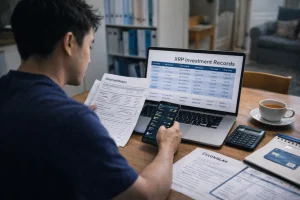
In the UK, profits from selling XRP may be subject to Capital Gains Tax. If someone buys XRP and later sells it for more than they originally paid, the profit could be taxable.
HMRC treats XRP and other cryptocurrencies as assets rather than currency. This means the same tax rules that apply to shares and investments may also apply to XRP.
A person may need to pay tax if they:
- Sell XRP for a profit
- Exchange XRP for another cryptocurrency
- Use XRP to buy goods or services
People do not normally pay tax simply for holding XRP.
The amount of tax depends on how much profit is made and the person’s total income. UK residents currently receive an annual tax-free capital gains allowance, although this can change over time.
It is important to keep records of:
- Purchase dates
- Sale dates
- Amounts bought and sold
- Transaction fees
These records can make it easier to calculate any tax due.
Anyone who regularly trades cryptocurrency or earns a large amount from XRP should consider speaking with a tax adviser.
What Common Mistakes Should Be Avoided When Buying XRP in the UK?
Many people make simple mistakes when buying XRP for the first time. These mistakes can often lead to unnecessary losses or security problems.
One common mistake is choosing the wrong exchange. A platform with poor security or high fees can make the investment more expensive and risky.
Another mistake is buying XRP without understanding the market. Some people buy because they see the price rising quickly, but they do not have a proper plan.
Other common mistakes include:
- Investing more money than they can afford to lose
- Ignoring fees before making a purchase
- Leaving XRP on an exchange for too long
- Forgetting to use two-factor authentication
- Failing to keep a backup of wallet recovery phrases
Some investors also make the mistake of checking the price every few minutes. Cryptocurrency prices move constantly, and short-term changes do not always matter.
A better approach is to decide on a budget, choose a secure exchange, and invest with a long-term mindset.
Conclusion
Buying XRP in the UK is relatively simple when the right steps are followed. The safest approach is to choose a trusted exchange, complete identity verification, deposit funds through a low-cost method such as bank transfer, and then buy XRP carefully.
Investors should also compare fees, understand the risks and store their XRP in a secure wallet rather than leaving it on an exchange. Although XRP offers potential benefits because of its speed and low transaction costs, it is still a volatile investment. Taking time to research and plan can help UK investors make smarter and safer decisions.
Frequently Asked Questions
Can XRP be bought in the UK without ID?
Most reputable exchanges in the UK require ID verification before allowing XRP purchases. This is part of anti-money laundering rules. It may be possible to buy XRP without ID through peer-to-peer platforms, but this is usually less secure.
What is the minimum amount needed to buy XRP in the UK?
Many exchanges allow users to buy XRP with as little as £10. However, some platforms may require a minimum deposit of £20 or more depending on the payment method.
Is XRP a good long-term investment in the UK?
XRP may be suitable as a long-term investment for some people because of its use in global payments. However, its value can be volatile, so it is important to invest carefully and understand the risks.
How long does it take to buy XRP in the UK?
If the account is already verified, buying XRP can take only a few minutes. Bank transfers may take longer to arrive, while debit card payments are usually instant.
Can XRP be transferred to a private wallet immediately?
Yes, most exchanges allow XRP to be transferred to a private wallet soon after purchase. Some exchanges may place temporary limits on new accounts for security reasons.
Which UK banks allow XRP purchases?
Many UK banks allow cryptocurrency purchases, including Santander, Barclays and Nationwide. However, some banks may restrict payments to certain exchanges, so it is worth checking first.
Is there a best time of day to buy XRP in the UK?
There is no guaranteed best time to buy XRP. Some investors prefer quieter market periods when prices may be less volatile, but market conditions can change quickly.